
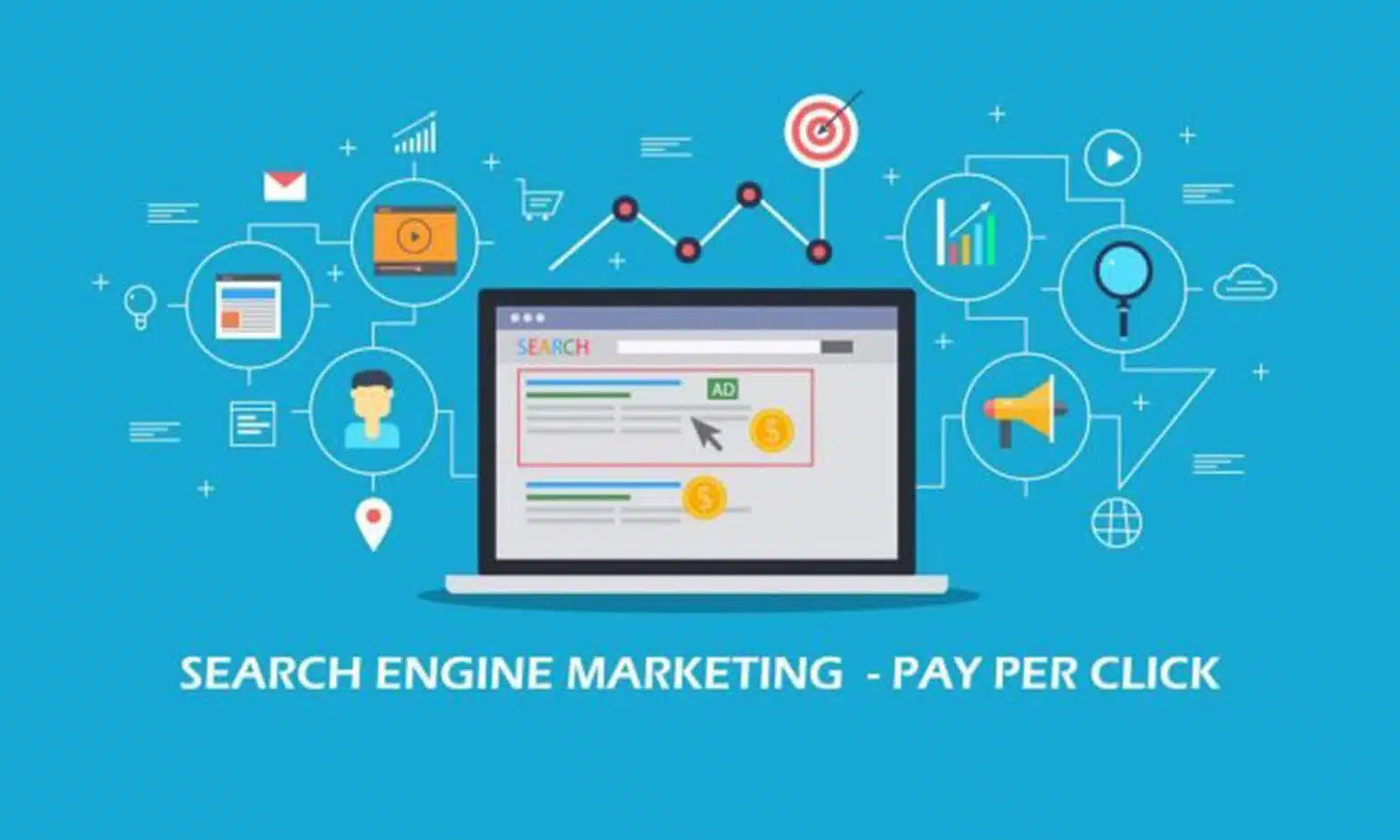

Paid Media is a great tool for most types of legal businesses, but your business must have the right strategy to meet your goals.
The first step in crafting the appropriate paid strategy is understanding your business and your goals. By going through the following questions, you will discover the information needed for a successful paid campaign.
What is the goal of this new campaign & how are you looking to impact your business?
Without defining goals, you have nothing to measure the success or failure of the campaign. With this information you can formulate a strategy to drive the right business.
Consider the following:
- What is driving you to increase your marketing in this area?
- Are there specific areas of your business that need improvement?
- Is there a new part of your business that you are looking to promote?
- How will you be measuring the success of this advertising?
Examples of goals
- Generate 300 new leads during the contract of the campaign
- Improve revenue by 200% with the new PPC campaign
- Sell 100 items from our new line of products for the month
- Acquire 75 new customers in 3 months
- Obtain 25 weekly scheduled appointments
Goals should follow the SMART Goal acronym:
S – specific, M – measurable, A – agreed upon, R – realistic, T – time based
What are the actions you want a visitor who arrives at your site through this campaign to take?
The desired action you want a site visitor to take will determine what tracking you will need to implement on their site to measure the success of your campaigns against your goals. It will also help you determine if your website will help you drive success or if you will need to make adjustments to help meet your goals. If your current site visitors are not completing your desired actions you should consider improving the experience of your website.
Consider the following:
- What actions on your website are the most valuable to your business?
- Can a customer complete a purchase online?
- How do potential customers enter the sales process?
- Do you need information from a potential customer to get started?
Example actions:
- Make a purchase
- Call your business
- Discover your store front
- View specific information
- Submit their contract information
- Sign up for a newsletter
- Enroll in a subscription
- Download an eBook or brochure
What geographic area(s) do your potential clients/customers come from?
The geographic target determines the size of the audience we are targeting and the users that you are targeting. It impacts how much impression share you can reach within a given budget as well as how budgets will pace each day. Utilizing an appropriate geographic target will allow a campaign to be more successful.
Consider the following:
- What geographic area are your customers coming from now?
- Where are your customers when they would be looking for you?
- Are you looking to expand your reach to a new area?
- Are there places where you typically avoid advertising?
Example Targeting Options:
- 20-mile radius around your business address
- Zip code(s)
- City
- Metro area
- City DMA
- Town neighborhoods
- Country or Countries
Maximize your conversions by targeting the right audience in their location.
These are just a few starting questions to get you thinking about your next PPC effort for your business. Starting with the information gathered after doing this bit of work, you can begin to build out a winning strategy. If you’re looking for more information on how to build successful paid media campaigns, please contact us today and a paid media expert will be available to sit down with you for a consultation.
Frequently Asked Questions
What Questions Should a Business Ask Before Starting Paid Media?
What is our cost-per-acquired-customer ceiling? Which channels reach our specific target audience? What’s our tracking and attribution capability today? Do we have landing pages built for paid traffic? Without clear answers, paid media wastes budget.
How Should Businesses Decide Which Paid Channels to Test First?
Start with the channel where the target audience demonstrates clearest intent: Google Ads for active demand, Meta for awareness and demand generation, LinkedIn for B2B decision makers, TikTok for younger consumer brands. Test one or two channels deeply before adding more.
What’s the Right Question to Ask About Paid Media Reporting?
Ask: ‘What is the conversion-attributed revenue, not just impression and click volume?’ Reports focused on top-funnel metrics without bottom-line revenue create false confidence in campaign performance.
How Often Should Paid Media Strategy Be Reviewed?
Daily for monitoring spend pacing and creative fatigue, weekly for channel-level performance, monthly for strategic budget allocation, and quarterly for portfolio-level decisions including channel mix changes.
What’s the Most Common Paid Media Mistake to Avoid?
Setting up campaigns without conversion tracking properly configured. Without conversion data, algorithms optimize toward arbitrary signals (clicks, impressions) instead of business outcomes (revenue). Verify tracking before increasing spend.